

Youth Voices Rising: Healing from Gang Violence and Building Resilient Futures

Every day, countless young people live in communities where gang violence, incarceration, and trauma shape their reality. These are not just headlines or statistics.
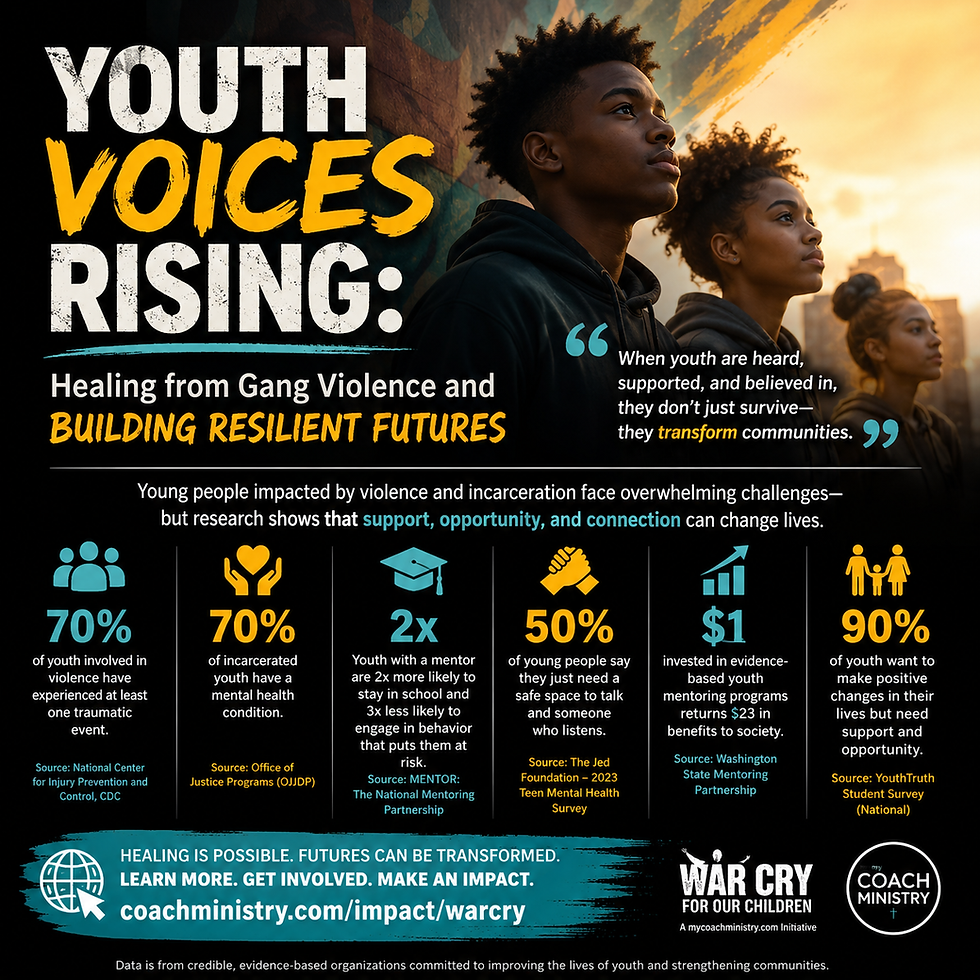
Behind each story is a young person seeking safety, belonging, identity, and hope.
Inspired by the recent Youth Summit episode of War Cry For Our Children, this blog shares honest youth perspectives on the challenges they face and the urgent need for healing-centered solutions.
The Reality of Gang Culture and Its Emotional Impact
Many young people grow up surrounded by gang culture, where peer pressure and violence are constant threats. This environment often forces them to make difficult choices to survive. Youth speak openly about the fear and loss they experience daily, including the pain of seeing family members incarcerated or caught in cycles of violence.
Repeated exposure to trauma affects how young people behave, relate to others, and perform in school. For example, a teenager who has witnessed violence may struggle with trust or have difficulty focusing on education. These challenges limit future opportunities and deepen feelings of isolation.
Families and communities also bear a heavy emotional toll. Parents live with the constant worry for their children’s safety, siblings cope with loss or absence, and entire neighborhoods feel the strain of broken systems that fail to protect or support them.
Why Punishment Alone Does Not Work
Traditional responses to gang violence often focus on punishment and incarceration. While accountability is necessary, these approaches rarely address the root causes of violence or trauma. Instead, they can deepen wounds and perpetuate cycles of harm.
Young people express a strong desire for solutions that focus on healing rather than punishment. They want spaces where they can process their experiences, receive mental health support, and rebuild their sense of self. This shift is essential to breaking destructive patterns and creating lasting change.
Healing-Centered Solutions That Make a Difference
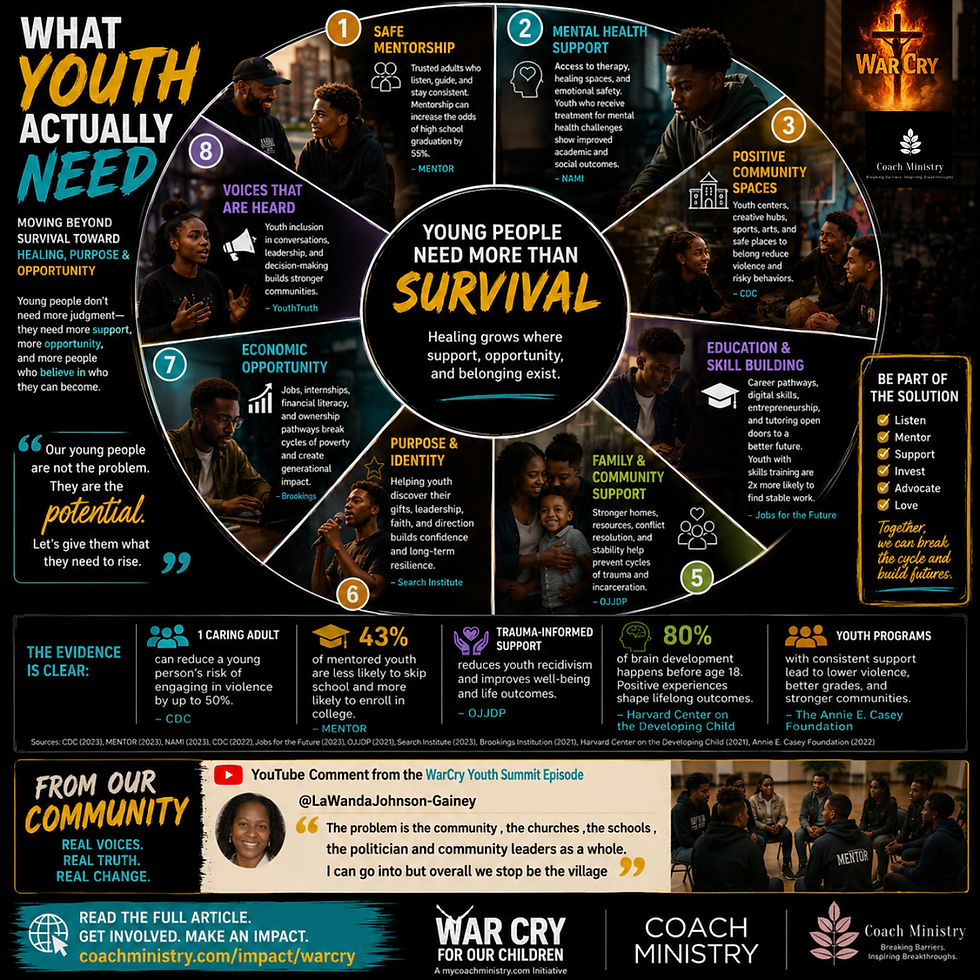
Several approaches show promise in helping youth overcome trauma and violence:
Mentorship: Positive role models provide guidance, encouragement, and a sense of belonging. Mentors help youth envision a future beyond their current struggles.
Therapy and Counseling: Access to mental health services allows young people to work through trauma and develop emotional resilience.
Faith Communities: Many youth find strength and hope through spiritual support and community connections.
Schools and Youth Programs: Safe environments where young people can learn, grow, and build skills are critical for their development.
Safe Community Spaces: Places where youth feel secure and valued encourage positive social interactions and reduce exposure to violence.
Organizations like Hood Therapy are creating such spaces. They offer trauma-informed care that helps youth build emotional strength and find healthier paths forward.
What Youth Are Asking From Leaders and Communities
Young people want more than just safety from violence. They ask for:
Opportunity to pursue education, jobs, and personal growth
Guidance from adults who listen and understand their experiences
Accountability that is fair and focused on healing
Mental health support that is accessible and stigma-free
Positive representation in media and leadership roles
Environments where they feel heard, not judged
These requests highlight the need for systems and communities to shift their approach and invest in youth as valuable members of society.
Moving Beyond Stereotypes to Invest in Youth
Too often, young people in affected communities are seen as problems to manage rather than lives worth investing in. This mindset limits the support and resources they receive. By listening to youth voices and recognizing their potential, communities can foster resilience and hope.
Breaking cycles of violence and incarceration is possible with consistent support, healing, mentorship, and collaboration. When young people feel valued and supported, they can rebuild confidence, find purpose, and create better futures for themselves and their communities.
This blog is part of a mycoachministry.com initiative in association with War Cry For Our Children.


Comments