

Beyond the Badge: How Police and Communities Build Real Trust

Trust cannot be demanded at a precinct door. It has to be earned on the block, in the hallway, at the youth center, after a 911 call, and during the quiet months before violence breaks out.

That is the hard question raised by Episode 9 of Voices of Change: WarCry NYC, featuring Ronald E. Hampton. Hampton is a retired Washington, D.C. Metropolitan Police Department veteran, former Executive Director of the National Black Police Association, and a longtime advocate for community policing, accountability, crime prevention, and police-community relations.
His message points to a truth many communities already know: public safety is bigger than enforcement.
Police matter. So do families, schools, churches, youth groups, tenant leaders, outreach workers, employers, and residents who want to live without fear. When trust has been damaged, slogans will not repair it. Real trust comes from fair treatment, honest accountability, consistent presence, and investment before a crisis hits.

Trust is a public safety tool, not a public relations goal
Federal policing guidance has long tied community trust to effective crime prevention. The Bureau of Justice Assistance and other federal public safety agencies have repeatedly stressed that community-oriented policing works best when residents see police as legitimate, fair, and responsive.
That is not soft language. It is practical.
When residents trust officers, they are more likely to:
Report violence before it spreads
Share useful information after a crime
Call for help before retaliation starts
Testify when they can do so safely
Join neighborhood safety efforts
Let young people know there are adults on both sides who care
When residents do not trust police, silence takes over. People still want safety, but they doubt the system will protect them. They may fear retaliation. They may believe nothing will happen. They may believe calling police will make the situation worse.
That silence helps the people causing harm. It leaves families isolated. It makes every call more dangerous for residents and officers.
Trust is reciprocal. Communities need officers who act fairly, transparently, and professionally. Effective policing also depends on residents feeling safe enough to communicate, participate, and cooperate.
Both sides carry responsibility. The weight is not equal in every situation, because police carry state power. Officers can stop, search, detain, arrest, and use force under the law. That power requires a higher standard of conduct. Still, safe neighborhoods also need residents, institutions, and local leaders to take part in prevention and problem-solving.
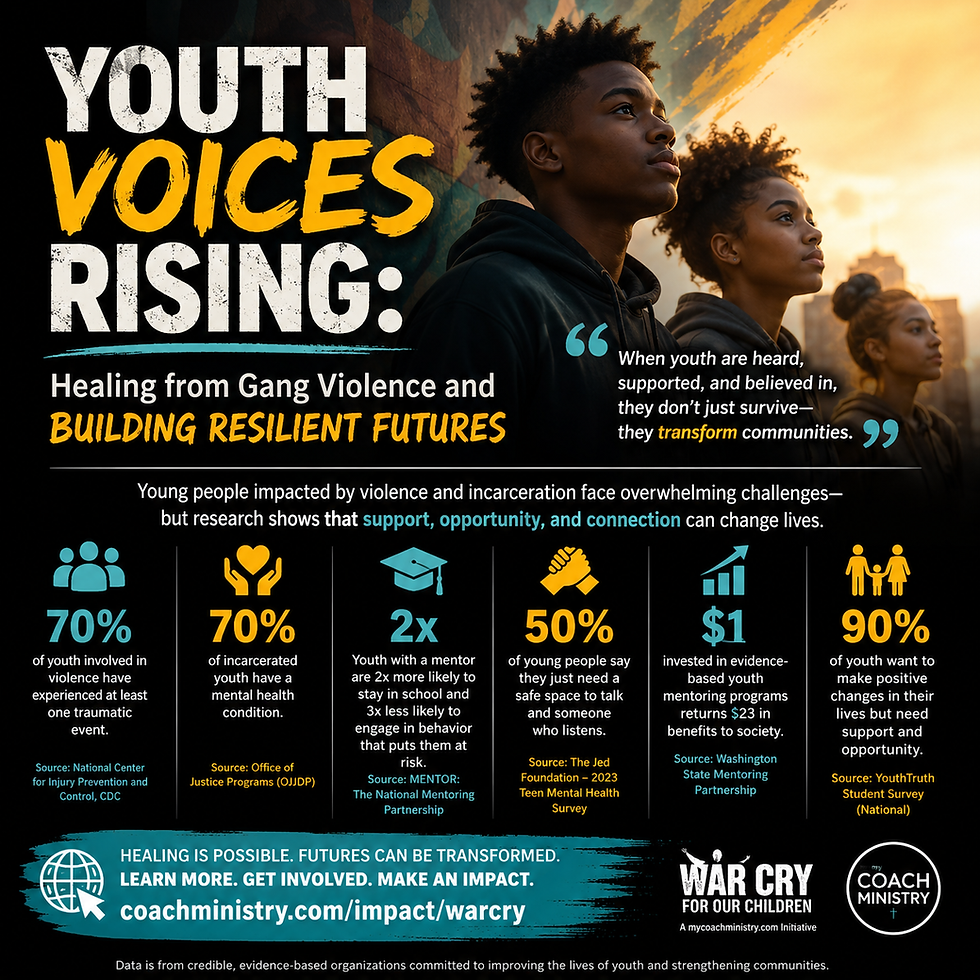
The Bridge, a Coach Ministry initiative in association with War Cry For Our Children, fits into this space. It points toward a model of public safety that goes behind the badge and asks what kind of relationships, investments, and accountability make communities safer.

What actually builds trust
Trust grows through repeated behavior. One good event does not erase years of harm. One officer with a strong reputation cannot fix a broken department culture. Real trust needs patterns people can see.
Fair treatment during everyday encounters
Procedural fairness is one of the strongest ideas in modern policing research. It does not mean everyone agrees with every outcome. It means people are more likely to view police as legitimate when the process feels fair.
That includes four basic practices:
Let people speak
Treat people with dignity
Make decisions based on facts, not bias
Explain actions clearly when safety allows
A person who receives a summons may still be upset. A person stopped during an investigation may still feel embarrassed or angry. But the officer’s tone, explanation, and behavior matter.
Respect does not weaken authority. It makes authority more lawful and more effective.
A simple example:
An officer stops someone who matches a description from a recent report. The officer can bark orders, give no explanation, and escalate the person’s frustration. Or the officer can maintain control, explain the reason for the stop, keep the encounter as brief as possible, and document it properly.
The legal authority may be the same. The community impact is not.
Consistency over time
Trust is built through consistency. Residents watch what happens after the cameras leave.
Do officers show up only after violence, or do they come to meetings when there is no headline? Do commanders listen to tenant leaders, clergy, and youth workers before a crisis? Do the same officers return to the same areas enough to learn names, block histories, and local tensions?
Consistency matters in New York apartment buildings, subway stations, school corridors, commercial strips, and parks. It matters anywhere people ask the same question: “Do they know us, or are they just passing through?”
Community policing fails when it becomes a photo opportunity. It works when it becomes a routine way of doing business.
Honest communication after harm
Nothing destroys trust faster than silence after a serious incident.
When a use-of-force incident, misconduct allegation, or controversial arrest happens, communities need timely information. Not rumors. Not spin. Not excuses. They need a clear process.
That process should include:
Public acknowledgment that an incident occurred
An explanation of what can and cannot be released
A timeline for review when possible
Independent investigation when required
Updates that do not compromise due process
Clear consequences when misconduct is proven
Residents know investigations take time. What they reject is stonewalling.
Police departments also need to be careful with early claims. If a department releases information that later proves wrong, trust takes another hit. Accuracy matters. Speed matters. Both can be handled with discipline.
Officers who know the community beyond enforcement
People read body language. Young people notice who treats them like a threat before a word is said. Elders notice who slows down to listen. Store owners notice who checks in without demanding anything. Parents notice who speaks to their children with respect.
This does not mean officers should pretend to be social workers, pastors, or teachers. It means officers should understand the community as more than a place where calls for service happen.
Officers build trust when they:
Learn local conflict patterns
Know which community leaders can calm tensions
Treat youth with patience, not automatic suspicion
Follow through on small promises
Show up at meetings ready to listen
Admit when they do not know something
Avoid humiliating people in public when there is no safety need
Small moments shape big beliefs.

What destroys trust
Trust can take years to build and minutes to damage. Some damage comes from major incidents. Some comes from daily disrespect.
The patterns are familiar.
Behavior that damages trust | Why it causes harm |
Disrespectful language | It tells people they are not valued or heard. |
Unexplained stops | It creates fear, resentment, and suspicion of bias. |
Unequal enforcement | It makes law feel selective instead of fair. |
Failure to discipline misconduct | It signals that the system protects itself first. |
Retaliation against complaints | It teaches people to stay quiet. |
Over-policing minor behavior while ignoring serious harm | It makes residents feel controlled, not protected. |
Treating community meetings as performance | It turns engagement into theater. |
Ignoring local knowledge | It wastes information residents already have. |
Broken trust also comes from fear.
Residents may fear both violence in the neighborhood and mistreatment by the system. That double fear is exhausting. It also creates a dangerous vacuum. If people do not believe police can protect them, other forces step in. Retaliation, intimidation, and street rules fill the space.
That is why accountability is not anti-police. Accountability protects the public, and it protects the legitimacy of officers who do the job the right way.
Accountability and officer safety can work together
A common argument says accountability ties officers’ hands. That argument misses the point.
Good accountability does not ask officers to ignore danger. It asks departments to train, supervise, review, correct, and discipline in ways that make dangerous encounters less likely and less chaotic.
Officer safety and public accountability work together when departments focus on:
Clear rules before the encounter
Officers need clear policy on stops, searches, pursuits, use of force, de-escalation, body-worn cameras, and duty to intervene. Vague expectations hurt everyone.
When policy is clear, officers know the line. Supervisors can review conduct properly. Residents know what standards should apply.
Strong training that matches real conditions
Training must prepare officers for stress. It should include communication, conflict management, constitutional policing, trauma awareness, crowd dynamics, and decision-making under pressure.
Training also needs repetition. A one-time class does not change field behavior. Skills have to be practiced, coached, and reviewed.
Supervision that catches patterns early
Misconduct rarely appears from nowhere. Warning signs can include repeated complaints, poor stop documentation, unnecessary escalation, missed court credibility issues, or a pattern of disrespect.
Early intervention systems can help departments identify officers who need support, retraining, closer supervision, or removal from certain duties. Those systems must be fair, but they must be real.
A culture where officers can stop harm
Duty-to-intervene policies matter. Officers should be expected to step in when another officer acts unlawfully or dangerously. That protects the resident, the officer at risk of misconduct, the department, and the city.
A strong culture does not treat intervention as betrayal. It treats it as professionalism.
Legitimacy that reduces resistance
Respectful policing can make encounters safer. People are less likely to panic or resist when they understand what is happening and believe the officer is acting within fair limits.
That does not remove all risk. Policing can be dangerous. Some people will still act violently. But departments should reduce avoidable escalation wherever they can.
Accountability is not just punishment after a bad act. It is the full system that helps prevent bad acts in the first place.
Prevention has to start before the sirens
Ronald E. Hampton has argued for cultural, educational, and economic investment alongside an appropriate role for law enforcement. That point matters.
Police respond to harm after many systems have already failed.
A young person does not become disconnected overnight. A block does not become unsafe in one week. Violence often grows where trauma, poverty, family stress, school exclusion, untreated conflict, unemployment, and easy access to weapons collide.
Police cannot solve those conditions alone. Asking them to do so sets everyone up to fail.
Public safety needs upstream investment. That means support before crisis.
Mentorship
Mentorship gives young people steady adults outside their immediate household. Good mentors help youth process conflict, plan for school or work, and imagine a future beyond survival.
Mentorship works best when it is consistent. Drop-in inspiration is not enough. Young people need adults who return, remember names, and stay through hard seasons.
Education and school connection
Schools are safety institutions, even when no one calls them that. A school that keeps students connected, supported, and learning can reduce risk. A school that pushes struggling students out without support can deepen it.
Strong school-based safety includes counselors, conflict mediation, attendance support, after-school programs, and partnerships with families.
Discipline still matters. Serious harm requires serious response. But exclusion alone rarely repairs the problem.
Employment and income
Work changes options. Paid internships, summer jobs, trade pathways, apprenticeships, and local hiring programs can interrupt cycles of violence and instability.
For young people, legal income is more than money. It is structure. It is confidence. It is a reason to leave the corner. It is a connection to adults who expect something from them.
Family support
Families often carry the burden of community violence alone. Parents and grandparents may know a young person is in danger but lack support, transportation, counseling, or a safe way to ask for help.
Family support can include crisis counseling, food support, housing help, parenting groups, grief care, and referrals that do not shame people for needing assistance.
Community-based violence prevention
Violence interruption and community-based outreach can reach people police often cannot. Credible messengers, including people with lived experience, can mediate conflicts, support victims, and steer high-risk individuals away from retaliation.
These programs need standards, training, funding, and evaluation. They should not be treated as magic. But when done well, they fill a gap enforcement cannot fill.

Each group has a real role to play
Safer communities are built when responsibility is shared. Shared does not mean vague. Each group has a lane.
Police departments
Police departments set the tone through policy, hiring, training, supervision, discipline, and daily deployment.
Departments should:
Reward respectful service, not only arrest numbers
Assign officers long enough to know neighborhoods
Track complaints and use-of-force patterns
Be transparent about policy and discipline
Invite outside review where appropriate
Protect officers who report misconduct
Work with community groups before violence spikes
Measure success through safety, trust, and problem-solving
Departments also need to stop treating community engagement as separate from “real policing.” Engagement is part of crime prevention. People share information with officers they believe will treat them fairly.
Residents
Residents should not be asked to fix public safety alone. Many already do unpaid safety work every day. They watch children, calm disputes, organize tenants, check on elders, attend vigils, and call outreach workers when trouble starts.
Residents can strengthen safety when they:
Join tenant, block, or neighborhood groups
Report serious harm through safe channels
Support victims and families after violence
Share information with trusted community leaders
Push for both accountability and prevention
Refuse to normalize retaliation
Help young people connect with positive adults
The key phrase is “safe channels.” Cooperation cannot depend on residents placing themselves in danger. Cities and departments need stronger witness protection practices, confidential reporting options, and trust-based partnerships.
Churches, mosques, synagogues, and faith leaders
Faith institutions often hold trust that government does not. They also have buildings, volunteers, moral language, and long memories.
Their role can include:
Hosting listening sessions
Supporting families after violence
Mentoring youth
Creating safe space during conflict
Connecting people to services
Holding public officials accountable without becoming partisan props
Faith leaders should avoid becoming public relations cover for any institution. Their value comes from moral independence and service.
Schools and youth organizations
Youth-serving institutions are central to prevention. They see warning signs early.
They can help by:
Building after-school and weekend programming
Training staff in conflict mediation
Creating referral paths for youth in crisis
Supporting students returning from suspension, detention, or grief
Partnering with credible messengers and mentors
Giving young people leadership roles, not just lectures
Young people need more than warnings about trouble. They need identity, skill, belonging, and opportunity.
Civic leaders and local government
Public officials control budgets, laws, agency priorities, and public narratives. They should stop treating safety as a choice between police and community investment.
Cities need both accountable policing and serious prevention.
Civic leaders should:
Fund violence prevention with stable dollars
Evaluate programs without using weak results as an excuse to abandon prevention
Support housing, education, mental health, and employment strategies
Require transparent police data
Listen to residents before decisions are final
Coordinate agencies so families are not sent in circles
Safety plans fail when agencies work in separate lanes and leave families to navigate the gaps.
Community-based organizations
Grassroots organizations often know where pain lives. They also know which youth are drifting, which families are grieving, and which conflicts could turn violent.
They need respect, not last-minute invitations after harm occurs.
Support for these groups should include fair funding, training, data support, and protection from being used as political decoration. The best organizations are close to the ground and honest about what they can and cannot do.
What real partnership looks like
Partnership is not a panel discussion once a year. It is a working relationship with shared goals, clear boundaries, and honest feedback.
A serious police-community partnership should include:
Regular meetings with decision-makers present
Public follow-up on commitments
Clear ways to raise concerns without retaliation
Shared review of neighborhood problems
Separate space for youth voices
Translation and access for residents who need it
Direct links to services, not only enforcement
A plan for crisis communication after serious incidents
Partnership also requires honesty about power. Police departments have legal authority that community groups do not. Government agencies have budgets that volunteer groups do not. Residents have lived knowledge that agencies often lack.
Each form of power should be named and respected.
A useful partnership asks practical questions:
Which corners, buildings, or routes feel unsafe, and why?
Which young people need support right now?
Which families are under pressure?
Which local conflicts are escalating?
Which enforcement practices are causing resentment?
Which officers have built trust, and what are they doing differently?
Which promises have not been kept?
These questions move the work from general opinion to actual problem-solving.

A practical trust checklist
Trust is built through behavior people can name. This checklist is not complete, but it gives departments and communities a place to start.
Behaviors that build trust
Explain the why.
People deserve to know why an officer is taking action when safety allows.
Use respectful language.
Tone does not solve everything, but disrespect can ruin everything.
Follow through.
If an officer, agency, or organization promises to call back, check in, or send help, do it.
Correct mistakes in public.
Private apologies rarely repair public harm.
Protect complaint rights.
People must be able to report misconduct without fear.
Show up before crisis.
Relationships built after violence are harder to trust.
Share useful information.
Communities need clear updates about patterns, risks, resources, and changes.
Invest in young people.
Safety grows when youth have places to go, adults to trust, and real paths forward.
Behaviors that destroy trust
Humiliation.
Public disrespect creates private anger and public resentment.
Selective enforcement.
If rules apply differently by race, age, income, building, or block, legitimacy collapses.
Broken promises.
A missed callback may look small inside an agency. On the block, it confirms a belief.
Defensiveness after harm.
People can tell when an institution cares more about image than truth.
Token engagement.
Residents know when decisions were made before the meeting started.
Ignoring youth voices.
Young people live the safety reality adults debate.
Treating prevention as optional.
If every dollar goes to response and little goes to prevention, crisis becomes the plan.
What New York can teach the wider conversation
New York is dense, diverse, and direct. One block can hold public housing residents, homeowners, shelter residents, small business owners, commuters, students, recent immigrants, elders, and people living under heavy stress.
That makes public safety complicated. It also makes relationship-based work necessary.
A conflict on one corner can affect a school route. A shooting can shake a whole development. A subway incident can shape how people feel across the city. A disrespectful stop can spread through a family network before the paperwork is filed.
The lesson is simple: public safety travels through relationships.
New Yorkers know when an agency is serious. They know when a meeting is staged. They know when a youth program is saving lives quietly. They know when an officer treats people right. They know when a family is one crisis away from losing a child to the streets or the system.
That local knowledge should shape public safety plans nationwide.
FAQ
Can police rebuild trust after serious harm?
Yes, but only through action. Rebuilding trust requires transparency, discipline when misconduct is proven, policy change, respectful daily conduct, and long-term engagement. Time alone does not repair harm.
Does accountability make officers less safe?
No. Good accountability makes expectations clear, improves training, catches risky patterns early, and supports lawful decision-making. Officers are safer when communities view them as legitimate and when departments correct dangerous practices.
What is the role of residents in public safety?
Residents help by organizing, sharing local knowledge, supporting victims, mentoring youth, and reporting serious harm through safe channels. They should not be asked to carry the burden alone or put themselves at risk without protection.
Why focus on youth programs when the issue is crime?
Youth programs are prevention. Mentorship, education, employment, and safe spaces reduce the chances that young people become involved in violence or victimized by it. Enforcement responds to harm. Prevention reduces the need for response.
What should a real police-community meeting produce?
It should produce clear next steps. That can include a safety concern map, follow-up dates, named points of contact, updates on past commitments, youth input, and referrals to services. A meeting without follow-through damages trust.
Safer communities are built together
Public safety cannot rest on policing alone. It also cannot ignore the role police play when harm occurs. The real work sits in the harder middle: fair enforcement, strong accountability, community power, and prevention before crisis.
Ronald E. Hampton’s career and advocacy point toward that balance. Law enforcement has a role. So do culture, education, economics, family support, and community leadership.
Trust grows when officers act with dignity and restraint. It grows when departments tell the truth, correct misconduct, and value the people they serve. It grows when residents have safe ways to participate. It grows when churches, schools, youth groups, civic leaders, and grassroots organizations get the support to prevent harm before sirens fill the block.
The Bridge, in association with War Cry For Our Children, carries a solutions-focused message that belongs in every serious safety conversation: safer communities are built through relationships, accountability, prevention, dignity, and shared responsibility.


Comments